

- VOLUME 90: Do Kids Benefit From Wearing Blue Light Glasses for Study and Screen Time?
VOLUME 90: Do Kids Benefit From Wearing Blue Light Glasses for Study and Screen Time?
Thursday, 11 December 2025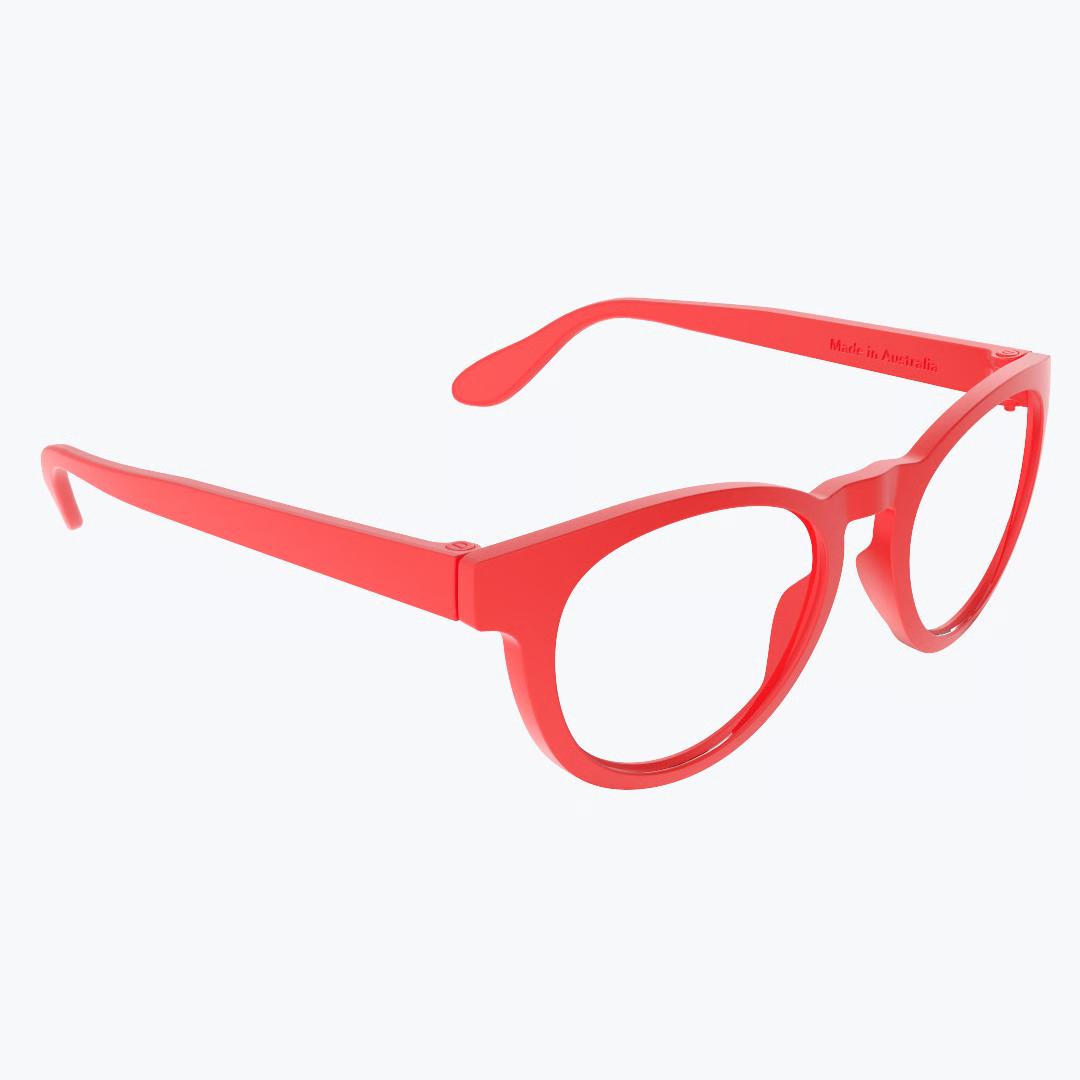
If you’ve ever watched your child switch from homework on a laptop to games on a tablet and then straight into a video call with friends, you already know today’s kids spend more time on screens than any generation before them. Whether for schoolwork, entertainment or staying connected, digital devices have become a central part of childhood — and so have conversations about eye strain, focus and healthy screen habits.
As screen time rises, many parents are wondering:
Can blue light glasses actually help kids?
Are they just a trend, or do they offer real comfort and support for developing eyes?
Let’s break it down in a simple, practical guide to help you make sense of whether blue light glasses are worth considering for your child this year.
Why do kids experience eye strain faster than adults?
Children’s eyes are still developing, which means they can be more sensitive to intense close-up focus. Long stretches of reading, scrolling or studying on bright screens can push their eyes to work harder than expected. Some common signs of digital eye strain in kids include:
• rubbing their eyes often
• losing concentration during homework
• complaining of headaches
• holding screens too close
• squinting at bright displays
• trouble winding down before bedtime
Many of these behaviours aren’t intentional — they’re simply signs the visual system is getting tired.
If you want to understand why screens impact the eyes so much, Dresden’s guide on why computer glasses help with eye strain explains the mechanics behind digital fatigue really clearly.
What does blue light actually do to kids’ eyes?
Blue light isn’t harmful in the way UV rays are, but it does influence the way our brains process brightness. Kids using devices for extended periods often experience:
• reduced blinking → leading to dryness
• lower contrast sensitivity → causing squinting
• overstimulation from bright LEDs
• delayed melatonin release before bedtime
Melatonin is the hormone that helps regulate the body’s natural sleep cycles. Research shows that blue light — particularly in the evening — can interfere with the circadian rhythm by delaying melatonin production.
This is why many kids struggle to switch off mentally after long screen sessions.
Blue light filtering lenses soften harsh screen glare, making close-up tasks feel easier and helping maintain healthier screen habits over time.
When might blue light glasses be helpful for kids?
Not every child needs them, but they can be especially beneficial when:
1) Homework or reading is done mostly on screens
Online schoolwork, digital textbooks and typing assignments all place heavy demands on young eyes.
2) They experience headaches or eye rubbing during screen time
This is a classic indicator that their eyes need visual relief.
3) They use devices in the evening
Filtering blue light helps reduce stimulation and can support healthier sleep rhythms.
4) They struggle with bright light sensitivity
Some kids simply find LED screens uncomfortable, especially those with high brightness levels.
5) They already wear glasses
Blue light coating can be added to prescription lenses without affecting clarity — it simply makes screen viewing more comfortable.
If your child needs additional guidance with glasses that balance cost, comfort and durability, this helpful guide on where to get kids’ glasses with a good price and quality balance is a great place to start.
What kind of frames work best for kids?
Kids need frames that are:
• durable
• flexible
• lightweight
• easy to clean
• tough enough to survive school bags and playgrounds
This is where simplified, modular styles can be helpful — they can be repaired or adjusted more easily than delicate fashion frames.
Dresden’s collection of everyday, kid-friendly frames gives a clear idea of what durable eyewear looks like in practice.
Choosing practical materials often makes the biggest difference in how long glasses last.
Should kids use blue light glasses without a prescription?
Yes — children who have perfect vision but heavy screen usage can still benefit. Blue light glasses are not prescription lenses unless needed; they simply provide comfort and glare reduction.
Non-prescription blue light glasses are particularly useful for:
• kids who study on laptops
• kids who game on consoles or tablets
• long homework sessions
• evening screen routines
• children sensitive to bright light
For an easy starting point, you can explore Dresden Vision’s blue light glasses collection, which includes options suitable for younger wearers
Do blue light glasses improve academic focus?
They’re not a magic solution — but they can contribute to:
• less eye fatigue → better concentration
• fewer headaches → more consistent study time
• reduced visual discomfort → less distraction
• better sleep → improved morning alertness
When kids aren't battling visual discomfort, they often find it easier to stay engaged with school tasks.
Are blue light glasses safe for kids to wear?
Yes. Blue light glasses don’t change vision or modify how the eye develops — they simply reduce brightness and glare from digital screens. They’re considered safe for children of all ages and can help encourage healthier device habits.
Like any eyewear, the key is choosing good-quality frames and lenses that are comfortable enough for daily wear.
Final thoughts on helping kids feel more comfortable during screen time
If your child spends long hours studying, reading or relaxing on digital devices, blue light glasses can offer an extra layer of comfort — reducing eye strain, evening overstimulation and screen-related fatigue. They’re simple, safe and easy to integrate into an everyday routine, especially when paired with durable, kid-friendly frames and healthy screen habits.
If you’d like to explore eyewear designed with comfort, sustainability and everyday practicality in mind, you can learn more about Dresden Vision and its approach to long-lasting, modular glasses here: